Beyond clinics and prescriptions, a silent, powerful force is shaping the health of our communities: the everyday conditions of life. Understanding the impacts of daily life is the first step toward true community wellness.
In 2019, the Center for Community Solutions discovered a 23-year difference in the lifespan of citizens living just two miles apart — from the Buckeye-Woodhill neighborhood to Shaker Heights. Earlier this year, the Cleveland Department of Health and Case Western Reserve University’s Department of Prevention Research Center for Healthy Neighborhoods released a report containing severe health disparities for Cleveland residents. Clevelanders reported more physical health concerns, higher rates of chronic illness, difficulty with health care access, and higher rates of mental health concerns, all above the state and national averages.
My initial reaction to this report was shock and outrage. Although the city of Cleveland has struggled with poverty and other issues over the years, this report was a true wake-up call. How can one organization attempt to make a difference in a city with so many needs? This question was answered by the 115-year history of The City Mission’s commitment to understanding its “customers” — our residents — holistically.
For us, this meant recognizing the profound impact of Social Determinants of Health (SDOH). These are the non-medical factors that influence overall well-being, such as stable housing, nutritious food, transportation, education, employment, social support and safe environments. Our residents often face multiple challenges in these areas, deeply intertwined with their physical, mental and emotional health. Addressing SDOH isn’t just about shelter; it’s about supporting people on their paths to long-term stability and wellness.
These data findings have helped solidify our goals for our residents. As we continue to measure and address the needs of those struggling with homelessness, The City Mission has adapted to provide individualized support to those we serve.
With the help of over 40 community partners, The City Mission has seen a profound impact in adapting to individuals’ needs. Focusing on the whole of our residents has changed the outcomes for many in our community. In July, three Crossroads residents completed their program and were offered full-time work at the Cleveland Clinic. By working with others and explicitly focusing on addressing SDOH, we have deepened our impact, providing a more comprehensive pathway to stability for our residents.
Over its lifetime, The City Mission has been a champion of both welcome and unwelcome change. In both the nonprofit and business sectors, success is fundamentally tied to responding to constantly evolving needs, be they from residents, clients, employees or customers. Our 115th anniversary isn’t just a celebration of our past; it’s a living example of how teamwork and sustained innovation, driven by a deep understanding of human needs and a commitment to holistic well-being, can lead to remarkable longevity and impact, whether in the nonprofit sector or the business world. ●
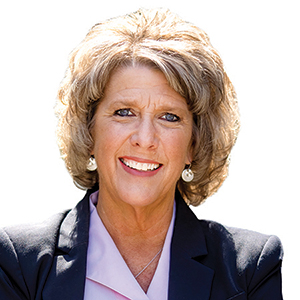
Linda Uveges is CEO of The City Mission