Business success in today’s fiercely competitive global economy depends not only on innovation but strong partnerships. Of special importance are the highly productive relationships between research universities and industry, which have been a cornerstone of American economic success since World War II.
The National Science Foundation’s (NSF) Regional Innovation Engines (Engines) Program is a novel and catalytic initiative to support and ignite such partnerships for the purpose of increasing regional economic prosperity and maintaining technical leadership in the U.S.
Northeast Ohio is seizing this moment through the NEO-SMART (Northeast Ohio Strengthening Manufacturing for American Resilience through Technology) initiative, led by Case Western Reserve University. This consortium of more than 50 partners from business, industry, higher education, government, workforce development and more has been working together for three years, forging trust and building a shared vision.
As a just-named finalist in the prestigious Engines program, NEO-SMART is poised to help transform the region into the national epicenter of advanced materials and manufacturing innovation. This work leverages the region’s rich manufacturing legacy to drive economic growth, enhance national security, and create thousands of jobs.
Northeast Ohio has a history steeped in steel, polymers, automotive, aerospace and heavy industry. While it has faced significant challenges from globalization and technological shifts, its potential remains immense thanks to a skilled workforce, strategic location and robust infrastructure. NEO-SMART aims to harness this potential by integrating advanced materials and smart technologies, along with unprecedented partnership, so as to position the region to lead the next wave of industrial advancement.
For its part, if successful, NEO-SMART would add to NSF’s $160 million grant with substantial commitments from participants. This is high-value return for taxpayers, helping create high-quality jobs and bolstering the nation’s competitive edge.
Workforce development is also a key component of NEO-SMART. Other higher education institutions such as Lorain County Community College and Cleveland State University are aligning educational programs with industry needs, ensuring students are equipped with the skills required for emerging technologies. This commitment to workforce development ensures graduates are ready to meet current demands and drive advancements.
NEO-SMART’s vision is ambitious, with goals that include creating 20,000 jobs across the 18-county region and fortifying domestic supply chains in sectors like automotive, aerospace, defense and medical devices. The initiative would also accelerate innovation by advancing key technologies like artificial intelligence and machine learning in manufacturing. The goal is nothing short of transformative impact.
By modernizing its manufacturing core and closely collaborating with partners like Akron’s Polymer Hub and MAGNET (Ohio Manufacturing Extension Partnership), NEO-SMART aims to strengthen Northeast Ohio and ensure our nation’s manufacturing future. The synergy between advanced materials for medical devices and the region’s thriving health care ecosystem would make Cleveland and Northeast Ohio national leaders in both medical innovation and advanced manufacturing.
The NSF is expected to announce its final decisions in early 2026. While the competition is intense, the relationships and collaborations fostered through NEO-SMART will endure, as will Case Western Reserve’s commitment to this critical path and regional success. ●
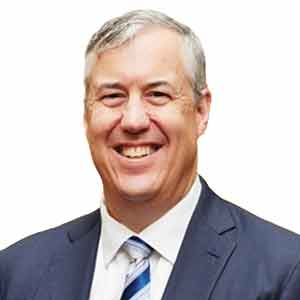
J. Michael Oakes is Senior vice president for research, Veale professor of technology transfer and commercialization at Case Western Reserve University