Today’s C-suite leaders are beginning to understand the consequences of too much focus on their businesses, and too little emphasis on their health. One way that’s manifesting is the rise of the nebulous condition of burnout. Not only does the stress from overwork lead to a bevy of significant health issues for the individual, it is a systemic risk negatively affecting executives’ workforces and bottom-line results.
This health challenge at the executive level is having a real-world impact, with many leaders viewing a total career change as their only escape. It’s reported that in 2022, 69 percent of C-level executives surveyed said they had seriously considered quitting their jobs for one that better supports their well-being. In 2023, that figure rose to nearly 75 percent of executives. It’s trends such as this that contributed to the World Health Organization officially classifying burnout as a legitimate workplace health condition linked to significant medical issues including hypertension, heart disease, depression and insomnia.
But its impact reaches more than just the individuals leading companies. Executive burnout is an organizational expense, calculated to have a significant cost to a company per leader annually. A burned-out executive whose health has suffered because of it becomes a bottleneck; they miss meetings, arrive unprepared, delay communications and suffer from sluggish, indecisive decision cycles. And the behavioral shift toward irritability and social withdrawal further erodes corporate culture.
Moreover, the market is watching. Just the perception of an unwell leader can trigger financial volatility. In his Forbes article, “Why CEO Health Is The Leadership KPI That Drives Everything Else,” Julian Hayes II noted that Apple’s shares dipped when the market saw Steve Jobs appear visibly ill. Similarly, JPMorgan’s stock dropped nearly 8 percent when Jamie Dimon underwent emergency heart surgery in 2020.
In response, some leaders are turning to high-tech interventions like biological age reversal, neuro-optimization and metabolic performance protocols to address their health challenges and stay at their peak longer. But rather than worrying about your DunedinPACE epigenetic clock, the results of your multi-omic testing, comprehensive GLP-1 optimization protocols or your microbiota-gut-brain axis, take a more fundamental step: make your personal health a priority.
As leaders, we rarely treat our bodies like the irreplaceable assets they are. We often consume whatever food is convenient, neglect proper exercise, and ignore the creeping onset of obesity and chronic illness. Warren Buffett famously used the analogy of a car: if you were only allowed one vehicle for your entire life, you would maintain it with obsessive care. We only get one body, yet we often treat it as if it holds the least amount of value.
As leaders, we owe it to our employees, our businesses, ourselves and our families to take care of our bodies and minds. We need to put our health, not our businesses, first, and make common-sense choices about our diet, exercise and mental health. Because in order to help employees and build a thriving business, we need to first help ourselves. ●
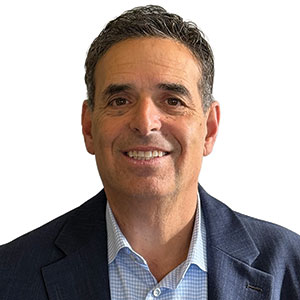
Fred Koury is an entrepreneur and investor