I have long believed in the power of capitalism as a force for good in our global society because it has raised billions out of poverty and boosted standards of living across the world. And I admit to being biased as it has allowed me to make some money and have a lot of fun co-owning and co-leading Riverside. It certainly has imperfections, but the overwhelmingly positive net outcomes are incredible.
Yet capitalism faces a global crisis as fewer people believe in its power as a force for good in society. A recent Gallup poll showed that just 54 percent of Americans hold a favorable view of capitalism. And if we, as business owners and successful businesspeople, are honest with ourselves, people today are right to be skeptical because too often they don’t see the benefits of this system.
We must be better stewards of capitalism if it is to survive and thrive. We must have a conscience. It starts with adhering to values, reducing income inequality and spreading opportunity more liberally.
I’ve written before about how Riverside was founded based on progressive views and the fundamentals of the Golden Rule, and leaving great references in our wake — something we’ve not wavered from. Doing the right thing in business may sound Pollyanna but we’ve learned it can drive success, as it builds trust, attracts high-quality employees and makes people want to do business with you.
The world is not zero sum. I believe baking a bigger cake is more rewarding than fighting over the size of each slice. When our companies succeed, so do the employees who work there and the communities in which they pay taxes and contribute in countless other ways. Part of driving that success is aligning interests. As an owner of a business, it would be foolish to think that every employee would share your passion for the company … unless you incentivized them to do so.
One way Riverside and many of our peer firms do this is through Ownership Works, a voluntary program committed to spreading the benefits of ownership. We’ve applied it to a handful of our companies and found that when employees are empowered as “owners,” they uncover efficiencies, miss fewer workdays, and ultimately save thousands of dollars in operating costs. And when that all results in higher valuations, it allows for significant bonuses. Programs like this can work at any size company.
Another aspect is creating a space where people can build a great career. That means good pay and benefits, but also opportunities for advancement, ongoing education and training. Formalizing these things builds loyalty and creates a better workforce.
We call it “responsible investing” and what we mean is behaving ethically. DEI and ESG may have fallen out of favor as terms, but a diverse workforce, good corporate governance and environmental stewardship are not idealistic fantasies. They are behaviors that create better-run companies operating more efficiently with formal processes that professionalize them and make them ready for the next echelon of growth.
Another aspect is creating a culture where giving back is second nature. We are incredibly fortunate, and in addition to numerous personal philanthropic efforts by our colleagues, we have designated community impact days — all designed to connect with the communities in which we reside and do business.
I deeply believe that capitalism is a force for good, not evil. But I don’t pretend it’s all sunshine and rainbows. We have to make hard decisions and it’s a system with winners and losers. You can still do all of the things I outline here while being fiercely competitive. But you can do so with ethics, decency and fairness. And I hope you do, because it’s a great system that’s under threat right now. ●
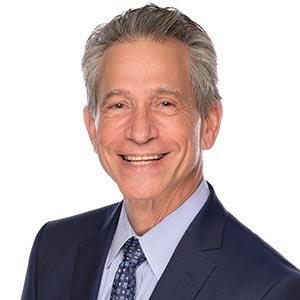
Stewart Kohl is Co-CEO of The Riverside Company