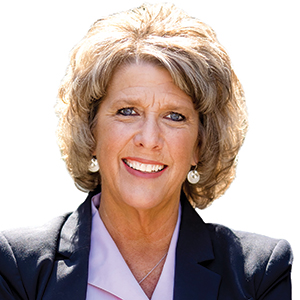
In August 2025, Gallup reported that only 19 percent of employees trust the leadership within their organizations. That statistic reflects a larger reality: trust is at an all-time low across business, government, media, faith communities, and even interpersonal relationships. Researchers have long emphasized that trust is built through consistency, empathy and transparency. As I approach five years in my role as CEO of The City Mission, I’ve learned firsthand how true that is. In a world where trust is shrinking, I knew early on that I wanted to build a foundation of trust strong enough to support our staff and ensure the people we serve receive the best care possible.
When I stepped into this role, I quickly realized that trust could not be assumed; it had to be built through repeated, intentional actions. One of the earliest decisions I made was to reinforce consistency within the organization. Staff need to know that no matter how circumstances shift, our purpose remains steady.
One way we accomplished that was by making our core values more visible and practical. It wasn’t enough to list them on the wall; we had to incorporate them into daily operations. Every major conversation, hiring decision, policy revision and program evaluation now starts with the same question: “Does this align with our mission and values?” Our staff and leadership know that these values are not a slogan, but a compass.
Transparency became another key pillar of our approach. I send weekly or bi-weekly video updates to staff and offer more in-depth updates at our monthly, in-person all-staff meetings. I wanted people to hear directly from me — what decisions were being made, why they mattered, and how changes would affect the organization. While transparency isn’t always comfortable, it builds credibility. Staff shouldn’t feel like they’re guessing what their leaders are doing.
Accessibility has also played a major role in building trust. I tell every staff member that if they want a meeting with me, they can have one. No hoops, no filters. Sometimes they want to share concerns; other times they simply need clarity or encouragement. Being present to listen, to explain or simply to acknowledge someone’s experience cultivates trust far more effectively than any memo or policy.
I also rely deeply on my leadership team. Their voices keep me grounded, honest, and thoughtful about every decision’s impact on our mission, staff and residents. Leadership can feel isolated, but it shouldn’t be insulated.
Another practical tool has been our annual participation in the Best Christian Workplace Institute survey since 2022. The survey gives employees a confidential way to share honest feedback, and each year we present those results to the entire staff and outline specific steps we’ll take in response. It’s not enough to gather feedback; we have to act on it. This commitment to consistency affects not just our staff but the people we serve. Whether someone is accepting a new job or coming to a crisis center for help, no one arrives with automatic trust. Our residents especially need a high level of stability. For them to feel secure, consistency must flow from the top down, from leadership to frontline staff, and into every interaction they experience.
A healthy, trustworthy staff is the foundation of any organization’s success. No matter your industry or goals, trust isn’t just a leadership asset; it’s your most essential tool. ●
Linda Uveges is CEO of The City Mission