The City Mission has been serving Cleveland for 115 years, bringing hope and restoration to individuals and families in crisis. Today, the organization is exploring how innovation can create sustainable impact in the lives of women and children at Laura’s Home and in the city of Cleveland. This new approach has offered valuable insight for navigating the challenge of balancing efficiency with human connection.
Laura’s Home, the women and children’s crisis center of The City Mission, has operated on a waitlist for over a decade. With over 5,500 women and children calling for shelter this year, the Mission has only been able to serve around 10 percent of those in need. Because of this, The City Mission has been investigating the gap between those seeking help and the systems designed to serve them. The traditional intake process, while adequate, can feel impersonal and intimidating for women arriving in crisis. Recognizing this, The City Mission sought to reimagine intake not as a transaction but as the start of a relationship.
This shift led to the creation of a new position and an innovative outlook on resident engagement. Katie, the Intake and Engagement Coordinator, was hired to bring a more personal and flexible approach to how women connect with Laura’s Home. She manages intake through conversation rather than forms, following up with each woman personally through a mass texting system. This process keeps potential residents engaged and supported, using pre-intake questions not as a barrier, but as a bridge to the right services.
Just a few months in, the results have been transformative. Women now arrive at Laura’s Home already familiar with Katie and the intake process, reducing anxiety and building trust from the start. Intake has evolved from a procedural task into a relational exchange grounded in compassion. In addition to hundreds of women on the wait list, Laura’s Home receives 15 new calls for shelter each day. Many of these women are doubled up in unsafe housing, living in cars, or facing significant health challenges. When women cannot enter the program immediately, Katie connects them with community partners who can assist. This model has both enhanced resident care and broadened The City Mission’s impact beyond its physical walls.
For nonprofits and businesses alike, innovation often begins by rethinking how people and organizations listen and respond to the people they serve. Whether managing customer relationships, employee onboarding or client outreach, success depends on designing processes that focus on trust rather than efficiency.
This relational approach has also improved organizational sustainability. By ensuring women are connected to the right program at the right time, The City Mission uses resources more wisely and reduces duplication of effort. Collaboration with partner agencies has deepened, and residents now enter programs better prepared to succeed.
Sustainable innovation happens when people and processes align around a shared purpose. When organizations prioritize empathy, communication and trust, they not only improve efficiency but also create environments where loyalty, collaboration and long-term impact thrive. By reimagining roles and rethinking relationships, the organization has experienced meaningful change, where human connection becomes the foundation for sustainable growth. ●
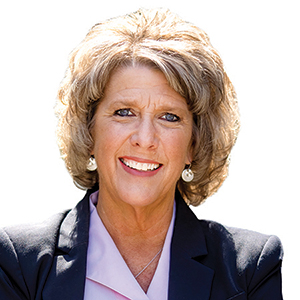
Linda Uveges is CEO of The City Mission