Retirement is supposed to be idyllic. But too often, it comes with social and emotional challenges. One possible reason: retirement-related stress. According to research by the Harvard School of Public Health, retirees are 40 percent more likely than those working to have a stroke or heart attack — and that risk was most prevalent during the first year of retirement.
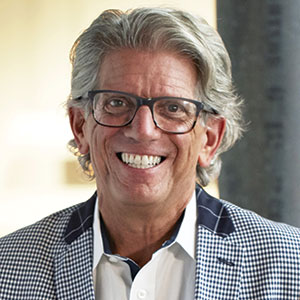
Smart Business spoke with Bob Bove, Wealth Advisor & Certified Exit Planning Advisor at The 4:8 Group, about preparing for the social and emotional challenges of retirement.
What unique challenges do retirees tend to face?
There are social and emotional challenges that are being seen among more retirees these days. For instance, loss of identity. Leaving the workforce can erode people’s sense of purpose and self-worth. Regular roles and duties are well-defined when we’re working, in ways that can be tough to replicate outside of that environment. This may be especially true for C-level executives, entrepreneurs and other professionals in roles that involve a great deal of leadership, control and respect from other people.
There’s also a loss of social contacts. Growing social isolation among Americans has become the most prevalent health issue in the country today, according to former U.S. Surgeon General Dr. Vivek Murthy. Consider that more than 25 percent of Americans live alone and that fewer people are volunteering in their communities than at any time in the past two decades.
Retirees experience fears of overspending and asset losses. Retirees — even those who are affluent — often are reluctant to spend the wealth they’ve built and have trouble creating a life of significance for themselves. When they do splurge, they may feel anxious instead of elated.
Separation or divorce can have an impact. While the divorce rate is falling among younger Americans, the rate among those aged 50 and older has doubled since the 1990s — and has more than doubled for those over age 65. Since half of the married population is aged 50 and over, it’s projected that, as the U.S. population ages, by 2030, the number of persons aged 50 and older who divorce will grow by one-third.
What can be done to prepare for these challenges?
There is plenty you can do to prepare for retirement and sidestep many of these social and emotional hurdles, and potentially safeguard more of your wealth. For example, practice the retirement you envision while you’re still working to see how well they actually work and how they really make you feel. This can allow you to go into retirement with a feeling of conviction that your plans are a good fit. Seek out new social outlets, especially those that can be done in the daytime. If you have a group of already-retired friends, you might be all set. If not, seek out meaningful ways to spend your days that are fun, rewarding and social, and that help you keep your mental edge.
Talk to your spouse about expectations and wants. The key is to communicate honestly and openly about each other’s needs going into this new aspect of life in order to head off resentments that could create a rift in your relationship.
Consult with your adviser. Chances are they have insights and ideas for addressing not just the financial side of retirement but also the social and emotional aspects. Some may even be able to introduce you to life coaches, retiree groups and other valuable resources.
Find ways to express gratitude each day and get help if you need it. Don’t ignore social or emotional challenges that may occur during retirement. If you’re feeling socially disconnected, depressed or anxious, get help or ask someone you trust to find you a professional who can help.
You’ve worked hard and invested diligently to build wealth toward your retirement. Don’t let that work go to waste by suffering social and emotional challenges that lead to lots of negativity and bad outcomes. Taking a holistic view of your golden years can be a great way to get on a path that enables you to fully enjoy your retirement years. ●
INSIGHTS Wealth Management is brought to you by The 4:8 Group.