The rapid pace of technological innovation has CEOs feeling the pressure. It’s such a concern that 45 percent of the 4,702 CEOs surveyed for PwC’s 27th Annual Global CEO Survey believe their business won’t be economically viable in the next 10 years if it continues running on its current path. For example, nearly seven in 10 respondents anticipate generative AI will increase competition, drive changes to their business models and require new skills from their workforce within the next three years. And as the pressure rises to adapt to these and other technological changes, CEOs increasingly prioritize big moves to support innovation.
Cariad, Volkswagen Group’s software division, is one example of a company making a big move to better position itself to capitalize on technological changes in the market. Launched in 2020 as a foundational piece to the Group’s electric vehicle plans, the company transferred thousands of employees from its different brands to Cariad with the aim of taking the lead in this up-and-coming electrical vehicle market. The stakes, as spelled out by Patrick George in one of his articles for Inside EVs covering the move, are significant.
“It’s a different world now,” George wrote. “The cars of the future will be more like computers on wheels than anything else, so now Volkswagen and the rest need to get great at making computers. The alternative is they get turned into car body manufacturers for tech companies, or worse, outright slaughtered by new players who are better at this ….”
Though Volkswagen had the best intentions, according to reports, Cariad instead became a symbol of dysfunction. One significant obstacle to success was leadership’s application of the rules and structure of the old hardware world to a new software environment. The bureaucracy, infighting and politics stifled progress and contributed to layoffs, reorganizations, delays in model launches and billions of dollars in operating losses.
Leadership can create a vision to meet the moment, but it’s critical to adapt the workforce and processes to achieve the new goal. Yesterday’s infrastructure and methodologies may not fit the future that leaders deem imperative for the company’s survival. It means having the will to think boldly not just about what can be achieved, but what needs to change in order to achieve it. ●
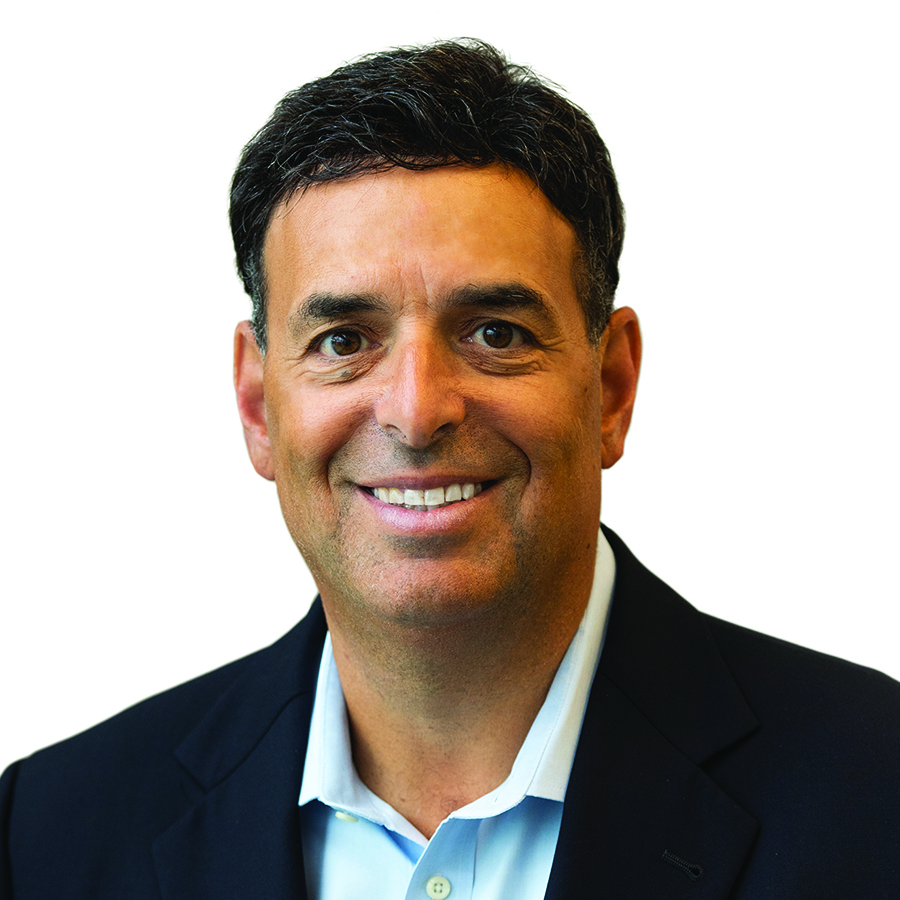
Fred Koury is President and CEO of Smart Business Network Inc.